
On this page
- Who This Article Is For
- Average Furnace Lifespan in Northern Ontario
- Factors That Extend Furnace Life in Timmins
- Factors That Shorten Furnace Lifespan
- Signs Your Furnace Is Nearing End of Life
- Gas Furnace vs. High-Efficiency Model Longevity
- The True Cost of Keeping an Old Furnace
- When to Replace vs. Repair: A Decision Framework
- Brand and Quality Considerations for Canadian Winters
- How Proper Installation Affects Longevity
- Should You Consider a Heat Pump Instead?
- Maximizing Your New Furnace Investment in Timmins
- Plan Ahead, Not in a Panic
For all your heating and cooling needs.
Call dispatch at (705) 221-0677 or request service.
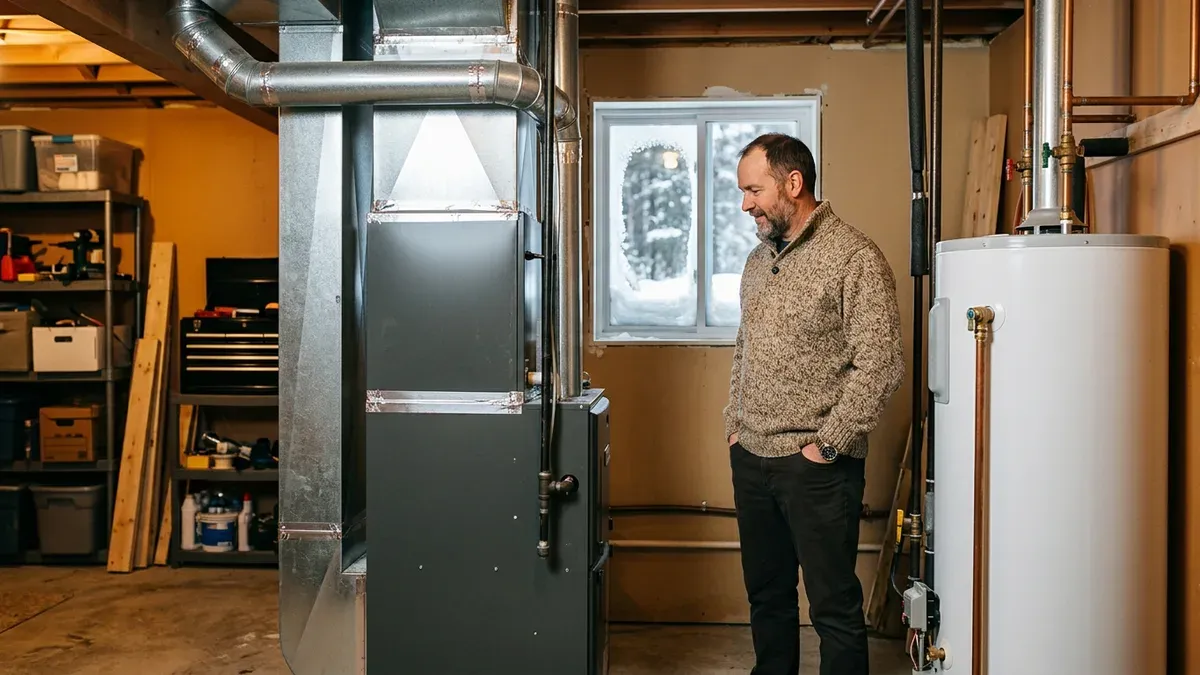
It happens almost every winter in Timmins. A cold snap rolls in, the thermostat drops, and your furnace runs and runs but the house still feels chilly. That is the moment a lot of homeowners start wondering: how much life does this furnace really have left? It is a fair question, and the answer matters more here than in warmer parts of the country.
The short version is this. A well-maintained furnace usually lasts about 15 to 20 years. But in our climate, with long winters and deep cold, many furnaces trend toward the lower end of that range. Below, we walk through what shapes furnace lifespan, how to spot the warning signs, and how to make a smart repair-versus-replace call before winter forces your hand.
Who This Article Is For
This article is written for homeowners in Timmins and the surrounding communities, including South Porcupine, Schumacher, Cochrane, Kapuskasing, Kirkland Lake, Hearst, and Smooth Rock Falls, who are trying to figure out how much longer their furnace will last.
This is for you if:
- Your furnace is getting older and you are planning ahead for replacement.
- You are facing a repair bill and want to know if it is worth paying.
- You noticed your furnace struggling during a cold snap and want a straight answer.
This is probably not for you if:
- You are looking for step-by-step installation instructions.
- You want a detailed brand-by-brand buying guide.
- You need emergency troubleshooting right now for a furnace that just quit.
If your furnace is down in the cold, skip the reading and call for service.
Average Furnace Lifespan in Northern Ontario
Most sources agree on a baseline. A well-maintained furnace can last at least 15 to 20 years, and the average lifespan of a furnace that receives annual or bi-annual maintenance can be fifteen to twenty years. Some units stretch further, but those are the exceptions, not the rule.
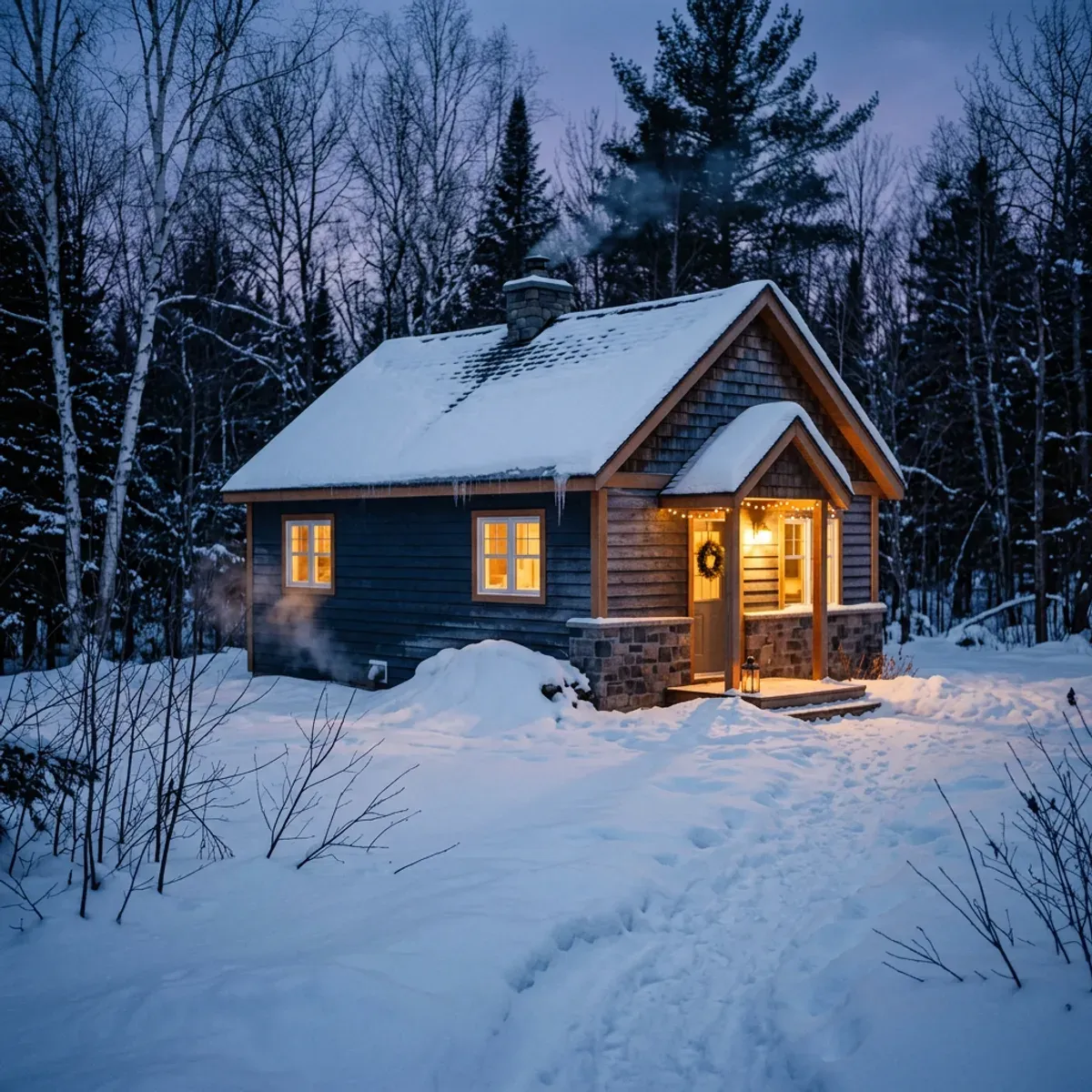
Here is where Timmins changes the math. Our heating season runs roughly from October through April, with cold days often bleeding into September and May. That is six to seven months of heating each year. During the coldest stretches, temperatures can dip toward -37.8°C, which means your furnace runs harder and longer than a furnace in a milder city ever would.
More runtime means more wear. Every time cold return air gets heated to supply temperature, the heat exchanger goes through a thermal swing. Do that thousands of extra hours a year, and parts age faster. That is simple cause and effect.
Takeaway: Use 15 to 20 years as your baseline, but in Timmins, plan closer to the earlier end.
Factors That Extend Furnace Life in Timmins
The good news is that a lot of what shortens furnace life is within your control. Staying on top of inspection and maintenance can add years of service compared to units that go without regular upkeep. That is a big difference for something as simple as staying on top of maintenance.
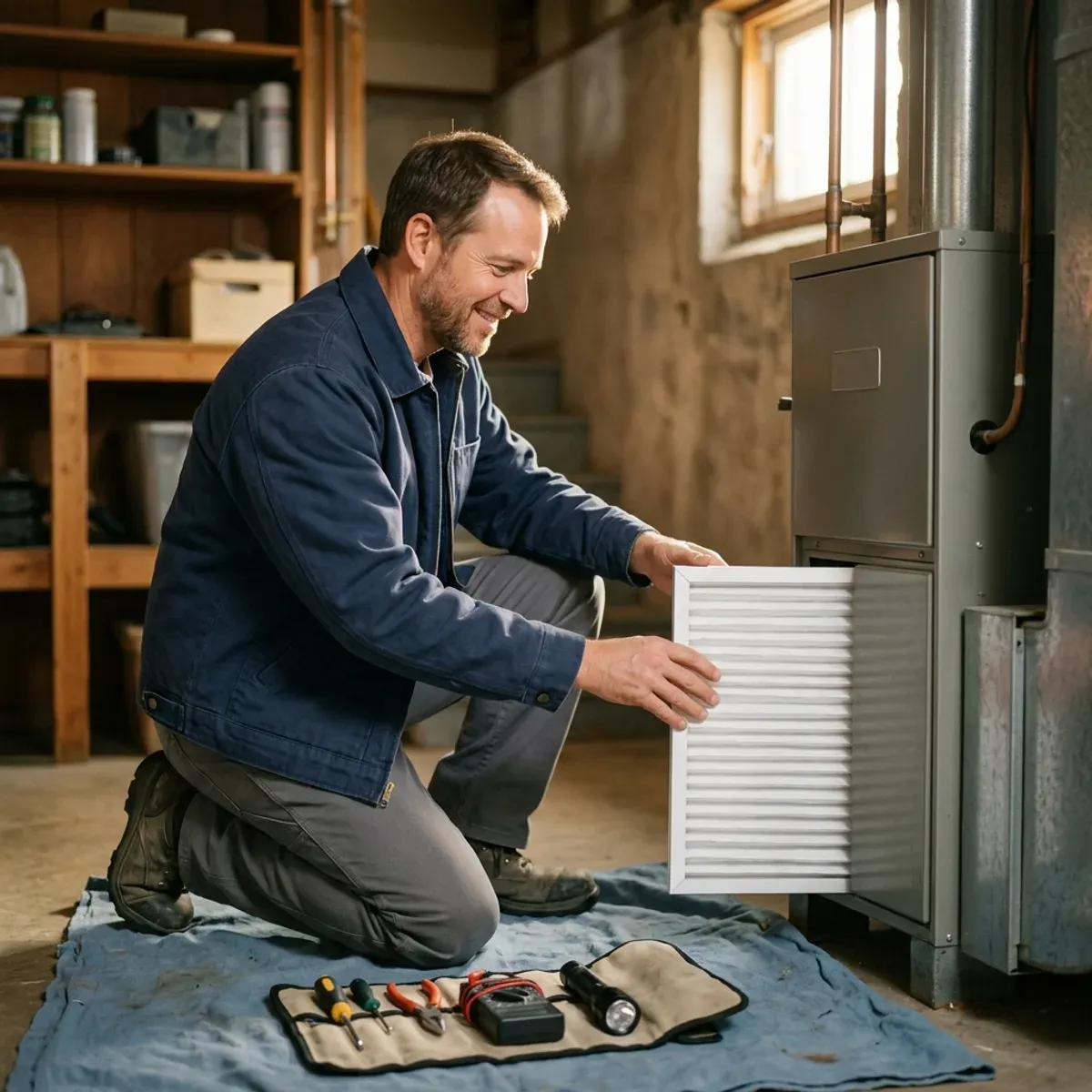
Here is what actually helps a furnace last longer in our climate:
- Professional installation. Correct sizing, proper venting, and code-compliant gas connections set the foundation.
- Annual maintenance. A fall check before the heating season catches small problems before they turn into no-heat calls.
- Right-sized equipment. A furnace matched to your home’s real heat loss avoids both overwork and short-cycling.
- Regular filter changes. Clean airflow keeps the blower and heat exchanger from straining.
- A tight home envelope. Good insulation and air sealing mean fewer runtime hours.
- Sensible thermostat habits. Steady settings reduce the hard catch-up runs that stress parts.
A Simple Cold-Climate Care Checklist
- Book a furnace tune-up in early fall, before the first real cold hits.
- Check your filter monthly during winter and change it when it looks dirty.
- Keep supply and return vents clear of furniture and clutter.
- Watch for water near the furnace, which can point to condensate drainage issues.
- Keep records of any service work for warranty purposes.
If you want ongoing help staying on schedule, ask us about maintenance.
Takeaway: Consistent maintenance is the single biggest thing you control that adds years of service.
Factors That Shorten Furnace Lifespan
Just as some habits add years, others quietly steal them. Most of these come down to a furnace working harder than it should.
Common lifespan killers include:
- Wrong sizing. An undersized furnace runs almost nonstop in deep cold. An oversized one short-cycles, turning on and off too often, which stresses igniters, sensors, and the heat exchanger.
- Skipped maintenance. Small issues left alone become expensive failures.
- Dirty filters. Restricted airflow causes overheating and safety shutdowns that wear the system down.
- Poor insulation. A drafty home forces longer, harder runs.
- No humidity control. In our climate, moisture problems can lead to corrosion inside the unit.
Remember that your furnace blower often does double duty in summer, moving cool air if you have central air conditioning. That adds to the total hours on the motor. It is one more reason wear adds up faster than the calendar suggests.
Takeaway: Most furnaces do not die of old age. They die of overwork.
Signs Your Furnace Is Nearing End of Life
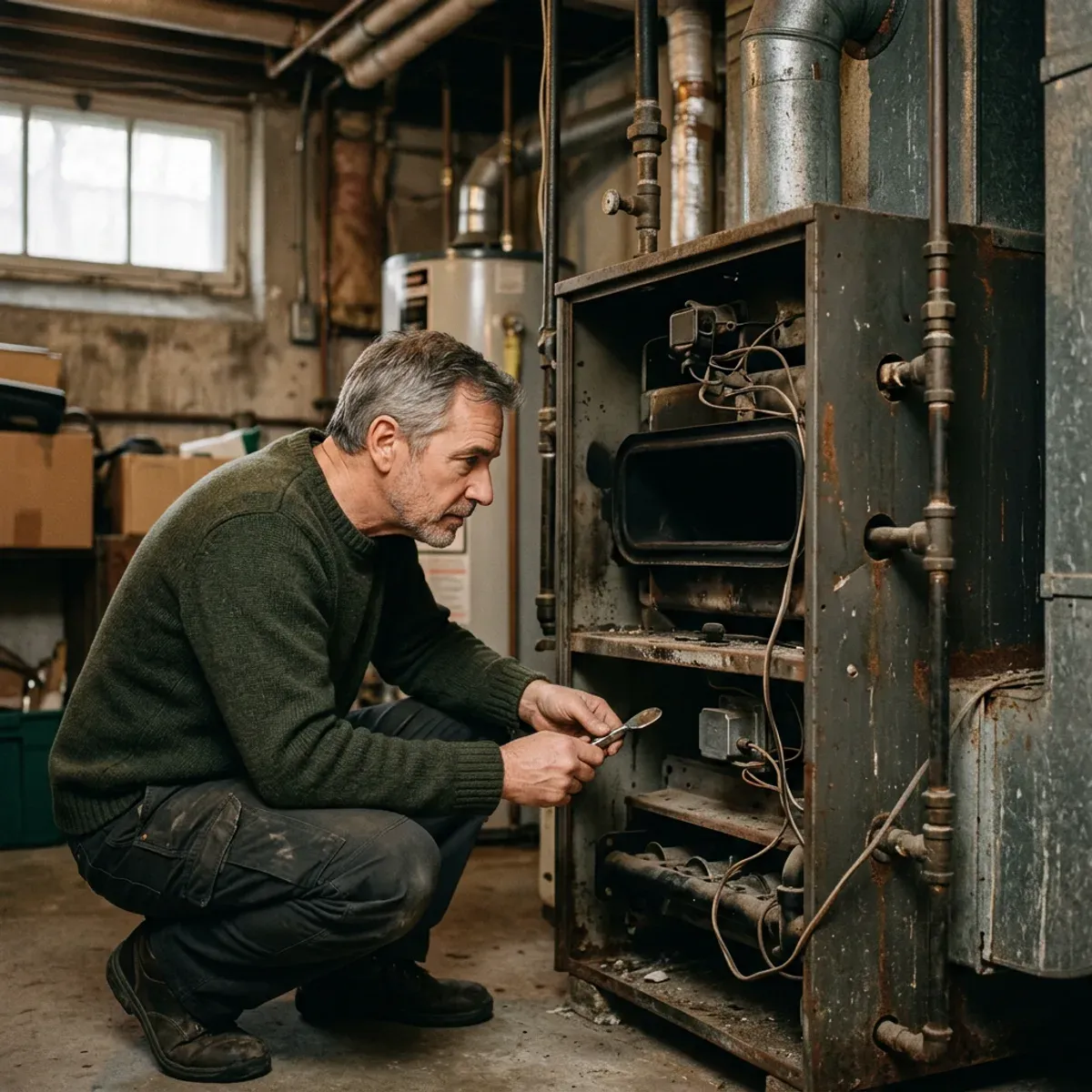
Age alone is not the whole story. A 14-year-old furnace that has been babied may have plenty left. A neglected 12-year-old unit may be on borrowed time. Watch for these warning signs:
- Repairs happening more often, especially to the heat exchanger or blower motor.
- Some rooms warm, others cold, no matter how you set the thermostat.
- A yellow burner flame instead of a steady blue one, which can point to combustion problems.
- Energy bills creeping up even though your usage has not changed.
- New rattles, bangs, or frequent on-off cycling.
- Visible rust or cracks on the unit.
- Trouble holding temperature during a cold snap.
Takeaway: One warning sign is worth watching. Several at once, on an older unit, usually means it is time to plan a replacement.
Gas Furnace vs. High-Efficiency Model Longevity
A common worry is that modern high-efficiency furnaces, with all their extra parts, will fail sooner than the old simple units. The reality is more balanced.
Older non-condensing gas furnaces, often rated around 80% efficiency, have fewer corrosion-prone parts. That can help them last a long time when maintained. Modern high-efficiency models are widely described as having AFUE ratings of about 90 to 98%, with many common models in the 92 to 96% range, by pulling more heat out of the exhaust. That process creates acidic condensate that has to drain properly.
Here is the trade-off in plain terms:
- High-efficiency furnaces are more complex, but they also run more gently and burn far less fuel over a long Northern Ontario winter.
- The condensate system needs care. A clogged drain can cause corrosion and cut lifespan short.
- Better engineering in modern units can offset the added parts when the furnace is installed right and maintained.
Worth noting on efficiency ratings: a new standard gas furnace installed today is generally a high-efficiency, condensing unit by design. For Canadian efficiency guidance, you can review the details on the Natural Resources Canada pages.
Takeaway: High-efficiency does not mean shorter life. It means lower fuel bills and a system that needs its condensate drain kept clear.
The True Cost of Keeping an Old Furnace
An old furnace that still runs can feel like the cheaper choice. Often it is not. The costs just hide in your monthly bills and the odd repair instead of showing up all at once.
Think about what an aging furnace really costs you:
- Lower efficiency. An old unit may run well below its original rating, wasting fuel every hour it runs.
- More repairs. Parts fail more often as the furnace ages, and each repair adds up.
- Higher bills. Long Timmins winters magnify every efficiency loss.
- Comfort gaps. Cold rooms and slow recovery on the coldest days.
Compare that to a new high-efficiency furnace that burns less fuel across six or seven months of heating. Over the lifespan of the unit, the fuel savings can offset a real chunk of the replacement cost. That does not make replacement free, but it changes the picture.
Takeaway: An old furnace is rarely “free.” It just spreads the cost out where you notice it less.
When to Replace vs. Repair: A Decision Framework
So how do you decide? Two simple rules give you a starting point.
The 50% rule. If a repair costs more than half the price of a new furnace, replacement usually makes more sense. Pouring big money into an old unit rarely brings it back to like-new reliability.
The age-plus-repair check. Multiply the furnace’s age by the repair cost. If that number climbs high and the furnace is already past 15 years, replacement is the safer bet.
Here is a quick way to sort your situation:
| Furnace age | Small repair needed | Large repair needed |
|---|---|---|
| Under 10 years | Repair | Repair, get a second opinion on big jobs |
| 10 to 15 years | Repair, watch for patterns | Weigh repair cost against replacement |
| Over 15 years | Consider replacement planning | Replacement usually makes sense |
What to Do and What Not to Do
- Do plan replacement before the furnace fails, ideally in spring or summer.
- Do factor in our climate risk. A mid-winter failure here is more than an inconvenience.
- Do not sink a large repair into a furnace already showing several warning signs.
- Do not wait for a January breakdown to make the decision for you.
One more reason to plan ahead: booking replacement in the off-season usually means better scheduling and no rush. Deep-winter emergency calls are the worst time to be shopping for a furnace.
Takeaway: Age plus repair cost plus climate risk gives you a clear read. When all three point the same way, act.
Brand and Quality Considerations for Canadian Winters
Build quality affects how long a furnace lasts, but there is no magic brand that guarantees 25 years. What matters more is choosing equipment built and certified for Canadian conditions and installed by a licensed crew.
A few things to look for:
- Canadian certification. Furnaces sold here are tested to CSA standards. Ask that any unit meets current requirements.
- Warranty coverage. A solid warranty is a signal of expected lifespan, and it protects you if something fails early.
- Cold-climate suitability. Some equipment is engineered for harder winters. That matters more in Timmins than in Toronto.
We keep the details straightforward on our furnace installation page. The goal is always equipment matched to your home and our climate, not the flashiest badge.
Takeaway: Certification, warranty, and proper installation tell you more about longevity than the brand name alone.
How Proper Installation Affects Longevity
You can buy the best furnace on the market and still get a short lifespan out of it if the install is wrong. This is the part homeowners overlook most.
Good installation means:
- A proper heat-loss calculation so the furnace is sized for your actual home.
- Correct venting, with the right slope and routing for condensate on high-efficiency units.
- Adequate combustion air and proper clearances.
- Code-compliant, TSSA-licensed gas connections.
- A check of your ductwork so airflow is balanced.
Skip these steps and you get short-cycling, overheating, and stress on parts that were never meant to work that hard. That is how a furnace with a 20-year rating ends up failing well before its time.
Takeaway: Installation quality is not a detail. It is one of the biggest factors in whether your furnace reaches old age.
Should You Consider a Heat Pump Instead?
Some homeowners at the replacement stage ask whether a cold-climate heat pump makes sense here. It is a fair question, and modern units perform better in the cold than they used to. Efficiency for these systems is measured with newer ratings like SEER2 and HSPF2, which produce slightly lower numbers than the older test standard for the same unit, so compare like with like.
Many Timmins homes end up with a hybrid setup, pairing a heat pump for milder days with a furnace for the deep cold. That can even extend furnace life by cutting its runtime hours. We dug into how these systems hold up in our climate in do cold-climate heat pumps really work at -25°C, and we compare the two options directly in our guide on heat pump vs. furnace for Timmins homes.
Takeaway: Replacement is a good moment to weigh whether a furnace, a heat pump, or a hybrid fits your home best.
Maximizing Your New Furnace Investment in Timmins
Once you have a new furnace in place, a few simple habits help you reach the upper end of that lifespan range:
- Book a tune-up each fall before the heating season.
- Change your filter on a regular schedule, more often if you have pets or heavy dust.
- Keep humidity in check to avoid moisture problems inside the unit.
- Set your thermostat for steady, sensible temperatures rather than big swings.
- Keep your service records for warranty compliance.
Good indoor air also plays a role in comfort and system health. Airflow and ventilation guidance is covered in the ASHRAE ventilation and indoor air quality standards, which inform how systems are designed to move and refresh air.
Takeaway: A new furnace is a long-term investment. Simple, consistent care is what protects it.
Plan Ahead, Not in a Panic
Here is the honest summary. In Timmins, most gas furnaces give you around 15 to 20 years, and our climate pushes many toward the earlier end of that. Watch for the warning signs, use the 50% rule and the age check, and remember that a mid-winter failure here carries real risk. Planning replacement in the warmer months means better scheduling and a decision made on your terms.
If your furnace is getting up there in years or has started acting up, the best move is a straight assessment before the cold sets in. We are happy to take a look, give you an honest read on how much life is left, and quote any work upfront before it starts.
For all your heating and cooling needs, call (705) 221-0677.
Mike Ironclad
